Welcome to Radiant Engineering – Your Trusted Partner for Compliance and Safety in Electrical Equipment and Medical Devices! At Radiant Engineering, we specialize in providing top-notch services to ensure your compliance with the latest Legislation and Standards in New Zealand (NZ) and Australia (AU).

Services

Service Image

What is Appliance Testing?

Appliance Testing, commonly known as Test and Tag, is a crucial process that involves the inspection and testing of electrical appliances to ensure their safety and compliance with regulatory standards. This procedure typically includes both a visual inspection for signs of wear or damage and electrical testing to verify that the appliance is electrically sound.

Who Needs Their Equipment Test and Tagged?

Test and Tag is essential for a wide range of businesses and organizations, including:

  • Workplaces - Offices, factories, warehouses, and other work environments.
  • Events - Concerts, conferences, trade shows, and public gatherings.
  • Construction Sites - Tools and equipment used in construction projects.
  • Hospitals and Healthcare Facilities - Medical equipment and devices.
  • Schools and Educational Institutions - Appliances used in classrooms and labs.
  • Rental Properties - Landlords ensuring the safety of electrical appliances for tenants.

What Can We Do for You?

We offer comprehensive Appliance Testing services to address your safety and compliance needs:

  • Thorough Inspections
  • Electrical Testing
  • Test and Tag Certification
  • Customized Testing Schedules
  • Compliance Assistance
  • Risk Mitigation
Service Image

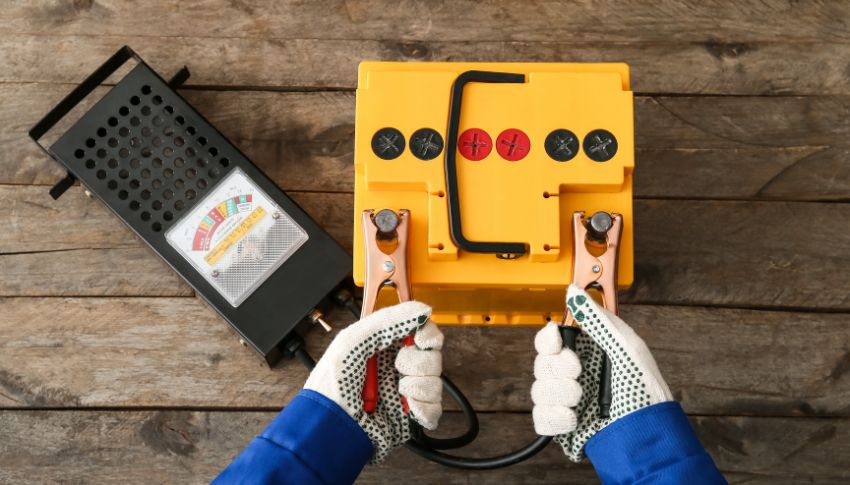
What is Battery Testing?

Battery Testing is a comprehensive process designed to evaluate the health, performance, and safety of batteries used in various applications. This involves a series of diagnostic tests to assess factors such as capacity, voltage, and internal resistance, providing insights into the battery's condition and potential reliability issues.

Why It's Needed?

  • Optimizing Performance - Regular battery testing ensures that batteries operate at their peak performance levels, delivering the expected power when needed. This is crucial for applications where reliability is paramount, such as in backup power systems and critical electronic devices.
  • Preventing Unexpected Failures - Battery failures can lead to unexpected downtime, especially in critical systems. Testing helps identify weak or failing batteries before they reach a critical state, allowing for proactive replacement and preventing potential disruptions.
  • Ensuring Safety - Batteries can pose safety risks if they are damaged, overcharged, or have internal faults. Battery testing helps identify potential safety issues, reducing the risk of overheating, leakage, or other hazardous situations.
  • Extending Lifespan - Regular testing and maintenance contribute to extending the lifespan of batteries. By identifying and addressing issues early, businesses can avoid premature battery failure and the associated costs of replacement.
  • Optimizing Energy Efficiency - Battery testing allows for the identification of inefficiencies in energy storage and usage. Addressing these inefficiencies can result in better energy management, cost savings, and reduced environmental impact.
  • Compliance with Standards - In certain industries, compliance with specific standards or regulations is mandatory. Battery testing ensures that businesses meet these standards, promoting a safe working environment and adherence to industry guidelines.
Service Image

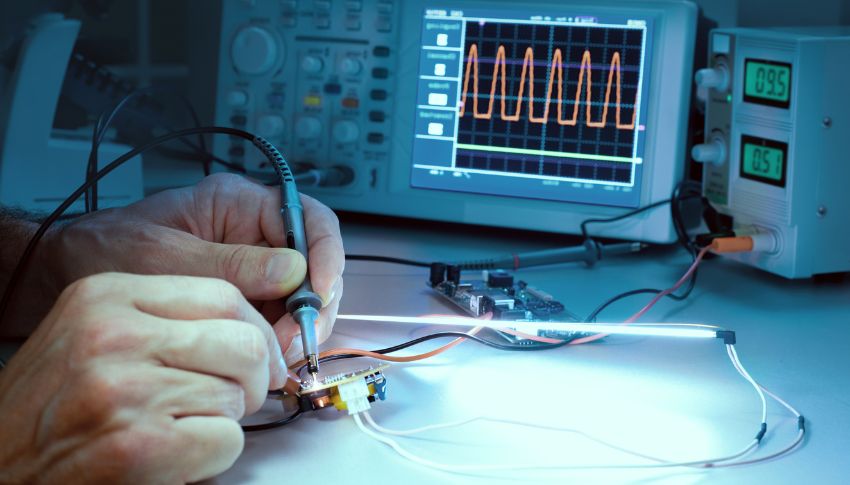
What is Biomedical Testing?

Biomedical Testing is a specialized service that involves the thorough examination and assessment of medical equipment and devices used in healthcare settings. The primary goal of biomedical testing is to ensure the safety, accuracy, and proper functioning of medical equipment, ranging from diagnostic devices to life-support systems. This rigorous testing process is essential to maintain the quality of healthcare delivery, protect patient safety, and comply with regulatory standards.

NZS 3760:2010

In-service safety inspection/testing of electrical equipment & RCDs

This standard is an update to AS/NZS 3760:2010. Any safety program that aims to protect workers utilizing electrical equipment at work must include in-service testing. This standard offers a cost-effective approach to safety without endangering worker safety or necessitating an excessive amount of equipment downtime. It does this by defining in-service safety inspection and testing processes and criteria that meet these commitments.

AS/NZS 3551:2012

Management programs for medical equipment

Medical equipment must pass performance testing and electrical safety testing in compliance with manufacturer requirements, as mandated by New Zealand Standard AS/NZS 3551:2012. varied medical equipment requires varied frequencies of preventative maintenance, but every equipment must go through at least an annual performance verification.

Service Image

What is Body Protected RCD?

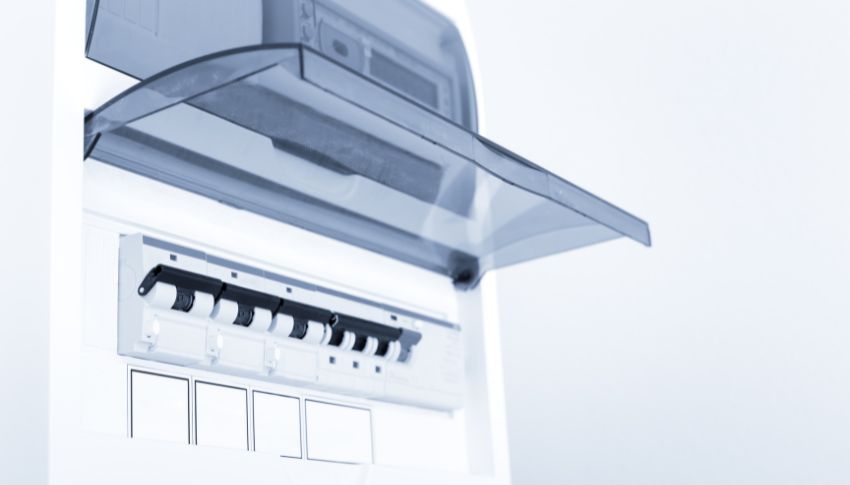
A Body Protected Residual Current Device (RCD) is a specialized electrical safety device designed to provide enhanced protection against electric shock in specific environments where additional precautions are necessary. The term "body protected" indicates that the RCD is configured to monitor the electrical currents flowing through both the active and neutral conductors and is specifically intended for applications where direct contact with conductive parts may occur.

Key features and characteristics of a Body Protected RCD include:

  • Enhanced Sensitivity - Body Protected RCDs are engineered with enhanced sensitivity to detect even small imbalances in the electrical currents flowing through the conductors. This heightened sensitivity helps minimize the risk of electric shock.
  • Specialized Design - The design of a Body Protected RCD is tailored to meet the requirements of specific installations or environments where the risk of direct contact with conductive parts is higher. This may include locations where individuals may come into contact with metallic structures or surfaces.
  • Monitoring Both Conductors - Unlike standard RCDs that typically monitor the current imbalance between the active and neutral conductors, Body Protected RCDs monitor the currents in both conductors. This dual-monitoring approach ensures a more comprehensive level of protection.
  • Application in Specific Environments - Body Protected RCDs are commonly used in specialized settings such as swimming pools, bathrooms, and other areas where a person may be in direct contact with conductive surfaces. The goal is to rapidly disconnect the power supply in the event of a fault, preventing electric shock.
  • Installation by Qualified Professionals - The installation of Body Protected RCDs should be carried out by qualified electrical professionals who understand the specific requirements of the environment and ensure that the device is correctly configured for optimal safety.
Service Image

What is Electric Blanket Testing?

Electric Blanket Testing is a safety procedure designed to ensure the safe and proper functioning of electric blankets. Electric blankets are popular devices that provide warmth by using electrical heating elements embedded within the fabric. As these blankets involve the use of electricity and are often in direct contact with users during sleep, it is crucial to regularly test them for safety and performance to prevent potential hazards.

Key aspects of Electric Blanket Testing include:

  • Visual Inspection - A thorough visual inspection is conducted to identify any visible defects, wear and tear, or damage to the electric blanket. This includes checking the power cord, controller, and the blanket itself for signs of fraying, exposed wires, or other issues.
  • Electrical Safety Testing - Electrical safety tests are performed to assess the insulation, continuity, and resistance of the electric blanket. These tests ensure that there are no electrical faults that could pose a risk to users, such as electric shocks or overheating.
  • Heat Distribution Check - Electric blankets are tested to ensure uniform heat distribution across the entire blanket. This is important to prevent hotspots that could potentially cause discomfort or, in extreme cases, skin burns.
  • Temperature Control Verification - If the electric blanket has adjustable temperature settings, the testing process includes verifying that the temperature control functions accurately. This ensures that users can set the desired warmth level without the risk of overheating.
  • Cord and Plug Inspection - The power cord and plug are inspected for any damage, wear, or loose connections. This is essential to prevent electrical hazards and ensure a secure connection to the power source.
  • Labeling and Tagging - After successful testing, electric blankets are labeled and tagged with information indicating that they have undergone safety testing. This labeling serves as a visual indicator that the blanket is safe for use.
Service Image

What is Infrared Thermography?

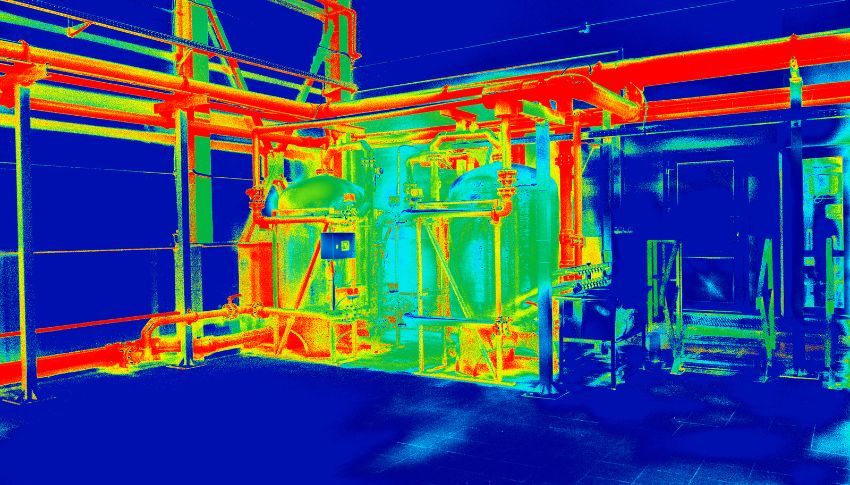
Infrared Thermography is a non-contact, non-destructive testing technique that uses infrared imaging to detect and visualize temperature variations in surfaces and objects. This technology is based on the principle that all objects emit infrared radiation (heat), and the amount of radiation is directly proportional to the object's temperature. Infrared cameras capture this radiation, creating detailed thermal images that can be analyzed for various applications.

Key aspects of Infrared Thermography include:

  • Temperature Measurement - Infrared cameras capture the infrared radiation emitted by surfaces, converting it into thermal images. These images represent the temperature distribution across the object or area being examined.
  • Color Mapping - Thermal images are often displayed using a color scale, where different colors represent different temperature levels. This color mapping helps visualize temperature variations more intuitively.
  • Non-Contact Inspection - Infrared Thermography is a non-contact method, meaning that it does not require physical contact with the object being inspected. This makes it ideal for examining live electrical systems, mechanical equipment, and building structures without disrupting their operation.
  • Identification of Anomalies - Infrared Thermography is widely used for identifying anomalies such as overheating components, electrical faults, insulation gaps, and other temperature-related issues. Anomalies can indicate potential problems before they escalate into critical failures.
  • Predictive Maintenance - By regularly performing Infrared Thermography inspections, organizations can implement predictive maintenance programs. This proactive approach helps identify potential equipment failures or inefficiencies, allowing for timely corrective action to avoid downtime and costly repairs.
  • Electrical System Inspection - In the electrical industry, Infrared Thermography is employed to inspect electrical panels, connections, and components. Overheating electrical components are indicative of potential faults, enabling preventive measures to be taken before equipment failure.
Service Image

What is Microwave Radiation Testing?

Microwave Radiation Testing is a process used to measure and assess the levels of microwave radiation emitted by electronic devices such as microwave ovens. The objective is to ensure that these devices comply with safety standards and regulations, preventing excessive exposure to potentially harmful electromagnetic fields.

Key aspects of Microwave Radiation Testing include:

  • Measurement of Emitted Radiation - Testing involves measuring the levels of microwave radiation emitted by a microwave oven during its operation. This is typically done using specialized equipment designed to detect and quantify electromagnetic fields in the microwave frequency range.
  • Compliance with Safety Standards - The testing process aims to verify that the microwave oven complies with safety standards and regulations regarding acceptable levels of microwave radiation emission. These standards are established to protect users from potential health risks associated with excessive exposure.
  • Identification of Potential Hazards - Microwave Radiation Testing helps identify any potential hazards, such as leaks or malfunctions in the microwave oven's shielding that could result in elevated radiation levels. Early detection of these issues is crucial for preventing harm to users.
  • Health and Safety Assurance - By ensuring that microwave ovens meet safety standards, Microwave Radiation Testing contributes to the assurance of health and safety for individuals using these appliances. This is particularly important given the widespread use of microwaves in homes, workplaces, and commercial settings.
  • Regulatory Compliance - Microwave ovens must adhere to specific regulations and guidelines established by regulatory bodies. Microwave Radiation Testing ensures that manufacturers and users comply with these regulations, fostering a safe and regulated environment.
  • Consumer Protection - Testing is an essential component of consumer protection, as it helps ensure that microwave ovens available in the market are safe for use. It provides consumers with the confidence that the appliances they purchase meet established safety standards.
Service Image

What is Thermoscan Verification?

Thermoscan Verification refers to the validation and confirmation of the accuracy and reliability of tympanic thermometers, commonly known as ThermoScans. This process involves regular checks and calibration to ensure that the thermometers provide precise and consistent temperature readings. The verification process is crucial to maintaining the integrity of temperature measurements, a vital parameter in healthcare for assessing patient health.

Is Your Tympanic Thermometer Accurate?

Accuracy is paramount in medical devices, especially when it comes to temperature measurements. Hospitals prioritize the regular calibration and verification of tympanic thermometers to guarantee their accuracy. Calibration checks are performed to ensure that the thermometer readings align with the actual body temperature, providing healthcare professionals with reliable data for clinical assessments.

What is an In-ear ThermoScan?

An in-ear ThermoScan, or tympanic thermometer, is a medical device specifically designed to measure body temperature by capturing the infrared radiation emitted from the eardrum. This method offers a quick and non-invasive way to obtain accurate core body temperature readings, making it a popular choice in hospitals for its efficiency and ease of use. The ThermoScan technology allows for swift temperature assessments, particularly useful for pediatric patients or individuals requiring frequent monitoring.

Some Safety Points for Your ThermoScan:

  • Regular Calibration - Ensure that the ThermoScan is regularly calibrated according to manufacturer guidelines and hospital protocols. Regular calibration helps maintain the accuracy of temperature readings.
  • Proper Technique - Train healthcare professionals on the correct technique for using the ThermoScan. Proper insertion and positioning within the ear canal are essential for accurate and consistent results.
  • Hygiene Practices - Adhere to strict hygiene practices when using ThermoScans. Disposable probe covers should be used for each measurement to prevent cross-contamination and ensure patient safety.
  • Patient Comfort - Consider patient comfort during temperature measurements. Tympanic thermometers are generally well-tolerated, but communication with patients, especially young children, can enhance their cooperation during the process.
  • Quality Assurance Protocols - Implement quality assurance protocols within the hospital's healthcare system. This includes routine Thermoscan Verification checks, staff training, and adherence to infection control procedures.

Contact us today to schedule your inspections and testing services. Your safety is our priority!

image